
Are horoscopes true? Horoscopes are one of the most popular ways people interact with astrology. Whether it’s a daily prediction or a compatibility insight, many readers have experienced moments where a horoscope feels surprisingly accurate. At the same time, there are just as many instances where predictions feel completely off. This creates a natural question: are horoscopes true or is astrology unreliable?
The confusion often comes from how astrology is used. Some people rely only on Sun-sign horoscopes, while others explore deeper systems like birth charts and planetary transits. When these differences are not understood, it can seem like astrology is inconsistent or even astrology inaccurate. In reality, the issue is usually not that astrology does not work, but that it is often simplified or misinterpreted.
Questions like why astrology doesn’t work, is astrology true in relationships or is horoscope true for marriage all stem from this gap between expectation and understanding. Astrology is a complex system based on timing, patterns and symbolic interpretation, not a fixed method of predicting exact outcomes.
In this guide, we explore are horoscopes true, what causes astrology to feel accurate or inaccurate, the difference between horoscope and birth chart and what actually works in astrology when it is applied correctly.
Table of Contents
Are Horoscopes True?
The question are horoscopes true does not have a simple yes or no answer. Many people find that horoscopes feel accurate at times and completely off at others, which leads to the belief that astrology is inconsistent or even astrology inaccurate.
The main reason for this confusion is that most horoscopes are based only on the Sun sign. While the Sun represents identity, it is just one part of a much larger system. A full birth chart includes the Moon, rising sign and planetary placements, which is why generalized horoscopes often feel incomplete.
Another factor is timing in astrology. Astrology works through cycles and phases rather than exact moments. Without understanding these cycles, predictions may seem wrong even when they are describing a broader period of life. This is one of the key reasons people feel that why astrology doesn’t work applies to their experience.
At the same time, horoscopes are not entirely without value. They reflect general planetary influences, which is why they sometimes feel relevant. However, relying only on them can create unrealistic expectations about astrology accurate prediction.
Horoscopes are just simply a simplified version of a much deeper system.
Why Astrology Doesn’t Always Work
Many people wonder why astrology doesn’t work, especially after reading predictions that do not match their experiences. This often leads to the assumption that astrology is unreliable or completely inaccurate, but the issue usually lies in how astrology is applied.
One of the main reasons astrology feels inconsistent is oversimplification. When complex birth charts are reduced to general horoscopes, important details are lost. Without considering planetary placements, aspects and houses, interpretations can feel too broad to reflect individual experiences accurately.
Another factor is interpretation. Astrology is not a fixed system of prediction but a symbolic language. Two astrologers may interpret the same chart differently depending on context and depth of analysis. This can make astrology seem inconsistent, even though the underlying system remains structured.
In many cases, what appears as inaccuracy is actually a mismatch between expectation and method. Astrology highlights tendencies, cycles and possibilities, not guaranteed outcomes. When it is used as a rigid prediction tool rather than a framework for understanding patterns, it can feel like it does not work.
Astrology does not fail, it is often misunderstood or oversimplified in the way it is used.
Difference Between Horoscope and Birth Chart
A major reason people ask are horoscopes true is that they often confuse a horoscope with a birth chart. Understanding the difference between horoscope and birth chart is essential if you want to know how astrology is actually meant to work.
A horoscope is usually a general prediction based on your Sun sign. It gives broad guidance about current themes, moods or possible developments. A birth chart, by contrast, is a full astrological map created from your exact date, time and place of birth. It includes the Sun, Moon, rising sign, planetary positions, houses and aspects, which makes it far more specific.
This is why horoscopes can sometimes feel vague while a chart reading feels much more personal. The difference between horoscope and birth chart is really the difference between a general weather update and a detailed personal map. One gives a broad overview, while the other shows how those energies may play out uniquely in your life.
When people rely only on horoscopes, they are more likely to feel astrology is inconsistent. A deeper chart-based approach is one reason astrology sometimes feels so accurate, because it works with far more detail than a Sun-sign forecast ever can.
A horoscope is general guidance. A birth chart is the actual foundation of serious astrology.
Timing in Astrology: Why Predictions Feel Off
One of the biggest reasons people question the validity of astrology is misunderstanding timing in astrology. Astrology does not work on exact dates and moments in the way many people expect. Instead, it operates through cycles, phases and periods of influence.
Planetary transits create windows of energy rather than fixed events. For example, a transit may indicate a period of change in career or relationships, but the exact manifestation can vary depending on personal choices and circumstances. Without understanding this, predictions can feel delayed or inaccurate, leading people to believe why astrology doesn’t work applies to them.
This is also why astrology is often seen as inaccurate when taken too literally. A horoscope might suggest opportunity or challenge during a certain time frame, but that does not mean a specific event will happen on a specific day. Astrology describes the timing of themes, not precise outcomes.
When understood correctly, timing in astrology explains when certain areas of life are more active or likely to shift. It provides a broader context for decision-making rather than a fixed script of events.
Astrology shows the timing of energy, not the exact timing of events.
Is Astrology True in Relationships and Marriage?
The question is astrology true in relationships often comes from people trying to understand compatibility and long-term connection. Astrology does not guarantee whether a relationship will succeed or fail, but it can reveal patterns in communication, emotional needs and attraction.
When people ask is horoscope true for marriage, they are usually referring to compatibility predictions. Sun-sign horoscopes can offer general insights, but deeper relationship analysis comes from synastry, which compares two full birth charts. Synastry examines how planetary placements interact, showing areas of harmony, tension and emotional alignment.
Astrology in relationships works best as a tool for understanding emotional patterns rather than predicting outcomes. It can highlight how partners express love, handle conflict or build trust. This is why some people feel astrology is accurate in relationships, especially when they explore charts beyond surface-level horoscopes.
Astrology can guide relationships, but it does not replace communication, effort or personal choice.
Is Vedic Astrology True?
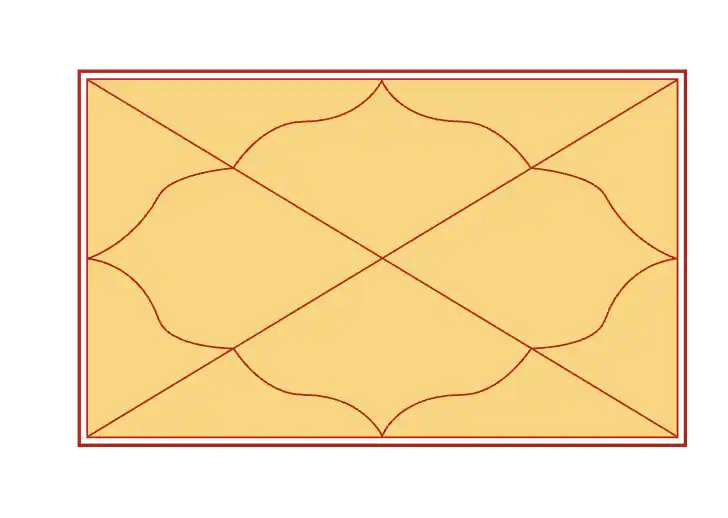
The question is vedic astrology true often arises when comparing different astrological systems. Vedic astrology, also known as Jyotish, uses a sidereal zodiac, while Western astrology uses a tropical zodiac. This creates differences in planetary positions and interpretations.
Despite these differences, both systems follow the same core idea: planetary movements reflect patterns in human life. What makes Vedic astrology distinct is its strong focus on timing techniques such as dashas, which aim to track life phases with greater precision.
Rather than one system being true and the other false, both can be understood as different methods built on similar symbolic logic. The effectiveness often depends on how accurately the system is applied and interpreted.
Vedic astrology offers a more timing-focused approach, while Western astrology emphasizes psychological patterns and interpretation.
What Actually Works in Astrology
Understanding what actually works in astrology requires moving beyond surface-level interpretations and focusing on how astrology is truly designed to be used. The system works best when it is applied as a tool for understanding patterns rather than predicting exact outcomes.
At its core, it is the use of a complete birth chart. A chart combines multiple elements such as planetary placements, houses and aspects to create a layered view of personality and life direction. This depth is what allows astrology to feel meaningful and specific when interpreted carefully.
Another important part of what actually works in astrology is observing planetary cycles over time. Instead of expecting immediate results, astrology becomes more accurate when viewed as a system that reflects phases of growth, challenge and change. These cycles help explain why certain periods feel more active or significant than others.
Finally, one of the most important factors is self-awareness. Astrology is most effective when used as a reflective tool. When individuals engage with their chart thoughtfully, they begin to recognize patterns in behavior, relationships and decision-making, making astrology a guide rather than a rigid prediction system.
Astrology works best when it is used to understand patterns, not to control outcomes.
FAQs
How accurate are horoscope signs?
Horoscope signs can be somewhat accurate in describing general traits, but they are broad. True accuracy in astrology comes from a full birth chart, not just a single zodiac sign.
Can you trust horoscopes?
Horoscopes can be used as general guidance, but they should not be taken as exact predictions. Their usefulness depends on how they are interpreted and applied in context.
Is there truth behind horoscopes?
There can be some truth behind horoscopes, as they reflect broader astrological patterns. However, they are simplified and do not capture the full complexity of an individual’s chart.
