
If you feel like your mind never slows down, you’re not alone. Emotional overthinking often shows up as replaying conversations, imagining worst-case outcomes, or feeling mentally exhausted even when nothing is visibly wrong. Learning how to stop overthinking a lot doesn’t mean shutting emotions down or forcing positivity. It means learning how to work with your thoughts instead of being trapped inside them.
Many people try to control overthinking by distracting themselves or pushing feelings away. That approach rarely works long term. This guide focuses on practical, evidence-based ways to reduce emotional overthinking without suppressing feelings, so your mind becomes calmer and more reliable over time.
Table of Contents
What Emotional Overthinking Really Is
Emotional overthinking is not the same as problem-solving. It’s a loop where the mind keeps revisiting emotional material without moving toward clarity or resolution.
You may notice:
- Replaying past conversations
- Anticipating rejection or conflict
- Overanalyzing tone, timing, or reactions
- Feeling mentally busy but emotionally stuck
When people ask how to stop overthinking all the time, what they’re really asking is how to interrupt these loops without ignoring what they feel.
Why Suppressing Feelings Makes Overthinking Worse
A common mistake when trying to control overthinking is emotional suppression.
Suppression looks like:
- “I shouldn’t feel this way”
- Forcing yourself to stay busy
- Ignoring discomfort and hoping it passes
- Labeling emotions as weakness
The problem is that suppressed emotions don’t disappear. They resurface as anxiety, irritability, or constant mental chatter. If you want to learn how to stop overthinking so much, the solution is regulation, not suppression.
Regulation means:
- Acknowledging the feeling
- Allowing it to exist briefly
- Redirecting attention intentionally
The Difference Between Thinking and Overthinking
Healthy thinking helps you make decisions. Overthinking keeps you emotionally activated without progress.
A simple distinction:
- Thinking: “What can I do next?”
- Overthinking: “What if I mess everything up?”
When your thoughts stop leading to action or insight, they’re no longer useful. Recognizing this difference is a key step in learning how to control overthinking.
The 3-3-3 Rule for Emotional Overthinking (Why It Works)
The 3-3-3 rule is a grounding technique commonly used in anxiety management. It works because it pulls attention away from internal loops and back into the present moment.
How the 3-3-3 Rule Works
When you feel emotionally overwhelmed:
- Name 3 things you can see
- Name 3 things you can hear
- Move 3 parts of your body
This technique doesn’t erase emotions. It gives your nervous system a reset so your mind stops spiraling.
Why it’s effective:
- Breaks rumination patterns
- Grounds attention externally
- Calms emotional reactivity
For people trying to figure out how to stop overthinking all the time, this tool is simple, immediate, and reliable.
The 5-5-5 Rule: Zooming Out of Emotional Spirals
The 5-5-5 rule helps you gain perspective when emotions feel overwhelming.
Ask yourself:
- Will this matter in 5 days?
- Will this matter in 5 months?
- Will this matter in 5 years?
This isn’t about minimizing your feelings. It’s about preventing short-term emotional intensity from dominating long-term mental space.
This rule is especially helpful when:
- You’re catastrophizing
- A situation feels urgent but isn’t
- Emotions feel bigger than the facts
Used consistently, it’s an effective method for anyone asking how to stop overthinking so much.
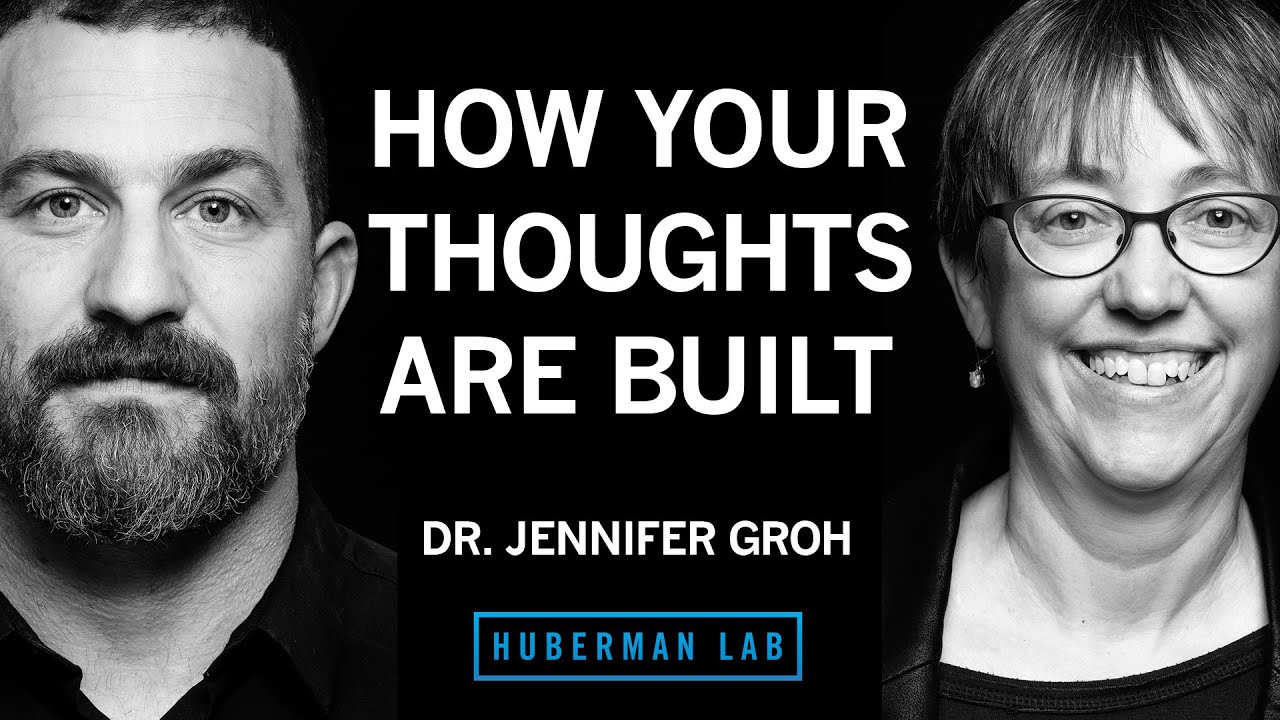
Overthinking often feels purely mental, but it’s closely tied to how the brain responds to emotional uncertainty. When the mind doesn’t feel safe, it keeps scanning for answers, even when none are needed. Sometimes, seeing this explained visually can make the pattern easier to recognize and interrupt.
How to Stop Overthinking a Lot by Naming the Emotion
One of the fastest ways to reduce emotional overthinking is to name the emotion accurately.
Instead of:
- “I’m stressed”
Try: - “I feel disappointed”
- “I feel uncertain”
- “I feel embarrassed”
Research shows that emotional labeling reduces emotional intensity. When you name what you feel, your brain shifts from emotional reactivity to processing mode.
This is a core skill in learning how to control overthinking without emotional shutdown.
Set a “Thinking Container”
Overthinking often expands because it has no boundaries.
A thinking container means:
- Giving yourself a fixed time (10–15 minutes)
- Writing or thinking through the issue deliberately
- Stopping when the time ends
This trains your mind to process emotions efficiently instead of endlessly.
This approach works well for people who:
- Feel guilty when they stop thinking
- Believe overthinking equals responsibility
- Struggle with emotional closure
Why Emotional Overthinking Gets Worse at Night
Many people report overthinking most intensely at night.
Reasons include:
- Reduced distractions
- Fatigue lowering emotional regulation
- Unprocessed daytime emotions
- Heightened sensitivity before sleep
If you’re wondering how to stop overthinking all the time, pay attention to timing. Nighttime overthinking often signals unmet emotional needs earlier in the day.
Simple fixes:
- Light evening routines
- No heavy emotional processing before bed
- Writing thoughts down to “park” them
How to Control Overthinking Through Body Regulation
Overthinking isn’t only mental. It’s physiological.
Your body plays a major role in emotional loops.
Helpful practices include:
- Walking without headphones
- Slow breathing (longer exhales)
- Stretching or light movement
- Reducing caffeine and late-night screen time
When the body calms, the mind follows. This is one of the most overlooked answers to how to stop overthinking a lot.
Explore More
All Self Discovery Tools
Want to dive deeper? You can find all Self Discovery Tools for better emotional regulation: Browse Self Discovery Tools
Tip: Bookmark it so you can quickly jump to your sign anytime.
Stop Trying to “Solve” Feelings
Emotions don’t always need solutions. Sometimes they need acknowledgment.
Ask:
- “What is this emotion asking for?”
- “Is this a feeling or a problem?”
- “Do I need action or rest?”
When you stop treating emotions as puzzles, overthinking naturally decreases.
Final Thoughts: Overthinking Softens When You Feel Safe
Learning how to stop overthinking so much isn’t about mental control. It’s about emotional safety.
When you feel:
- Heard by yourself
- Grounded in your body
- Less pressured to “fix” emotions
Your thoughts naturally slow down.
Overthinking doesn’t end through force. It ends when your nervous system learns that it doesn’t need to stay on high alert all the time.
FAQs
How do I stop being such an overthinker?
Stopping overthinking starts with noticing when your thoughts stop being useful and start looping. Instead of trying to shut your mind down, focus on grounding yourself, naming the emotion involved, and redirecting attention to the present moment. Over time, this reduces the habit of overthinking.
What is the 3-3-3 rule for overthinking?
The 3-3-3 rule is a grounding technique that helps interrupt mental spirals. When overthinking begins, you name three things you can see, three things you can hear, and move three parts of your body. This brings attention back to the present and calms emotional reactivity.
Why am I overthinking so much?
Overthinking often happens when the brain is trying to create a sense of safety or control. Stress, uncertainty, fatigue, or unprocessed emotions can all increase mental loops. Overthinking isn’t a flaw, it’s a sign that your mind is under strain and needs regulation, not criticism.
3 thoughts on “How To Stop Overthinking A Lot Without Suppressing Feelings”