
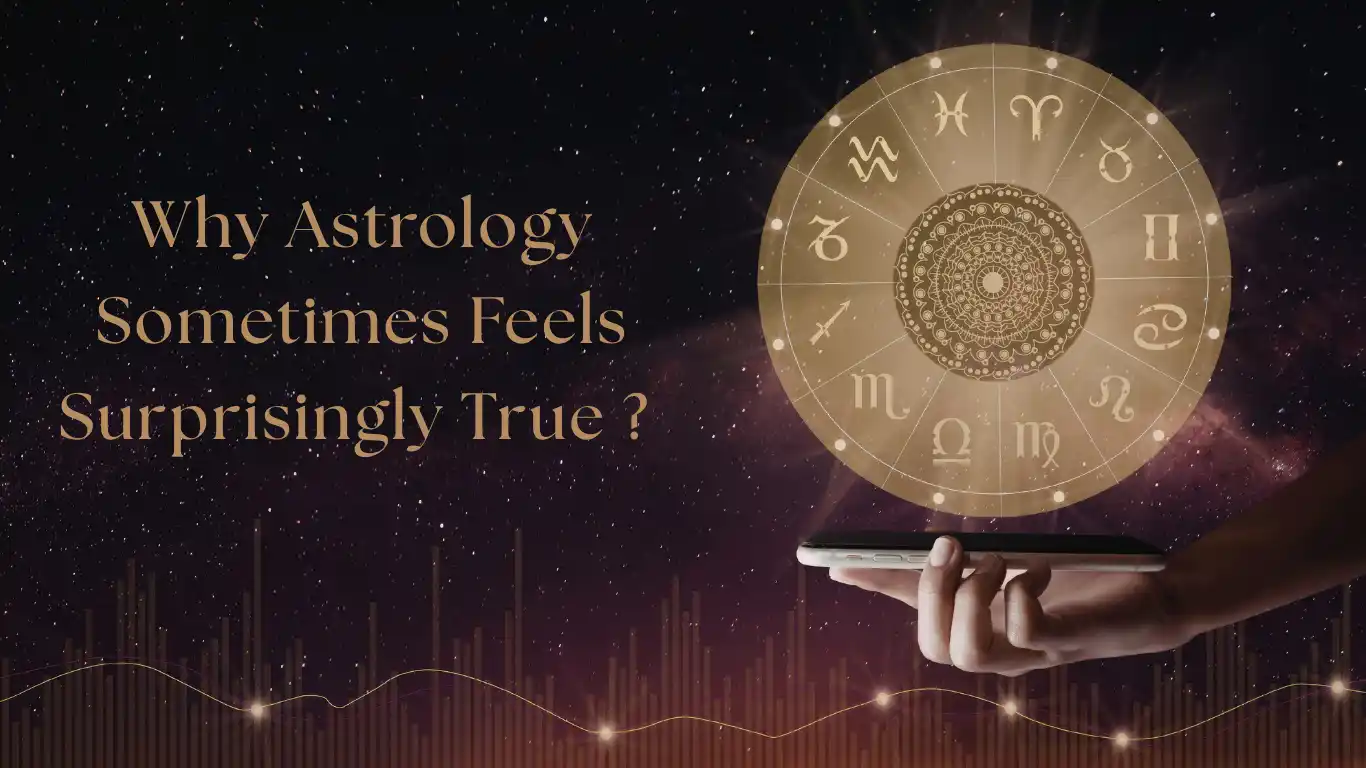
Many people encounter astrology through daily horoscopes or zodiac personality descriptions. What often surprises them is how frequently certain insights feel deeply personal. This leads to a common question: how is astrology accurate and why do its interpretations sometimes feel so precise?
For centuries astrologers have studied the relationship between planetary movements and human experience. Rather than predicting events in a rigid way, astrology observes patterns in time, personality and emotional cycles. When these patterns are interpreted through a birth chart, many people find that astrology sometimes feels so accurate, describing motivations, habits and life themes they had not fully articulated before.
This raises a deeper curiosity about whether astrology truly offers astrology accurate prediction, or whether its strength lies in symbolic interpretation and self-reflection. Birth charts, planetary transits and zodiac archetypes together form a system that many believe astrology accurately explains many things about personality, relationships and life timing.
In this guide, we explore how is astrology accurate, why astrology often resonates so strongly with people, and what actually happens when astrologers interpret a birth chart or planetary cycle.
Table of Contents

How Is Astrology Accurate?
The question how is astrology accurate has been asked for centuries. Many people notice that astrology sometimes describes their personality, emotions or life patterns with surprising precision. This leads to curiosity about why astrology sometimes feels so accurate and whether there is a deeper system behind it.
Astrology does not work in the same way as modern scientific prediction models. Instead, it is based on symbolic relationships between planetary movements and human experience. Astrologers observe recurring patterns in planetary cycles and how those cycles correspond with emotional shifts, personal development and life events.
When people talk about astrology accurate prediction, they are often referring to these repeating patterns. For example, planetary cycles such as Saturn returns, Jupiter transits or lunar phases occur at predictable intervals. Over time astrologers noticed that these periods often align with important life transitions like career changes, personal growth or emotional transformation.
This is one reason astrology sometimes feels so accurate. The system focuses on timing and symbolism rather than literal cause-and-effect. Planetary positions are interpreted as indicators of energetic themes that may influence human behavior or life circumstances.
Another reason people feel that astrology accurately explains many things is that birth charts analyze multiple layers of personality. Instead of relying only on a zodiac sign, astrology examines the Sun, Moon, rising sign, planetary placements and houses. Together these elements create a complex symbolic map that can reflect different aspects of a person’s character and life journey.
Because of this layered approach, astrology often feels less like a simple prediction system and more like a framework for understanding patterns in personality, relationships and life cycles.
Why Astrology Sometimes Feels So Accurate
Many people notice that astrology sometimes feels so accurate when describing personality traits, emotional reactions or recurring life themes. This experience often creates curiosity about how is astrology accurate and whether astrology truly reflects something deeper about human nature.
One reason astrology resonates strongly is its use of archetypes. Each zodiac sign represents a symbolic pattern of behavior and motivation. Aries represents initiative and courage, Taurus stability and material grounding, Gemini curiosity and communication. When these archetypes are placed within a birth chart, they interact in complex ways that can mirror real personality dynamics.
Another reason astrology feels convincing is that it observes repeating cycles. Planetary movements follow predictable patterns across years and decades. Astrologers noticed that certain planetary periods tend to coincide with specific life experiences. For example, Saturn cycles often correspond with responsibility and maturation, while Jupiter cycles are associated with expansion and opportunity. These repeating cycles help explain why people sometimes associate astrology accurate prediction with important life transitions.
Astrology also examines multiple layers of a person’s chart rather than relying on a single zodiac sign. The Sun represents identity, the Moon emotional instincts, and the rising sign reflects how a person approaches the world. When these elements combine, the chart becomes a complex symbolic framework that many feel astrology accurately explains many things about personality and life direction.
Because astrology analyzes patterns across personality, timing and life cycles, its interpretations often feel surprisingly relevant. Rather than offering absolute predictions, astrology provides a structured way to observe how human experience may reflect larger cosmic rhythms.

Astrology Accurate Prediction vs Interpretation
One of the most common misconceptions about astrology is the idea that it produces fixed and unavoidable predictions. When people search for astrology accurate prediction, they often expect astrology to forecast exact events in the same way a weather report predicts rain. In reality, astrology works differently.
To understand how is astrology accurate, it helps to see astrology as a system of interpretation rather than strict prediction. Planetary movements symbolize energetic themes that may influence human experiences, but they do not force specific outcomes. Instead, astrologers read planetary patterns as indicators of timing, opportunities and challenges.
For example, when a major planetary transit occurs, astrology may suggest that a period of change or growth is approaching. However, the way that period unfolds depends on personal choices, circumstances and awareness. Because astrology focuses on symbolic timing, it can often explain why astrology sometimes feels so accurate when describing emotional cycles or life transitions.
Birth charts illustrate this principle clearly. A chart shows tendencies, strengths and recurring themes rather than predetermined events. When astrologers interpret a chart, they are identifying patterns in personality and timing that can help explain behavior or life direction. This is one reason many people feel that astrology accurately explains many things about identity, relationships and personal growth.
In this sense, astrology becomes less about predicting exact outcomes and more about recognizing patterns in time. When people understand this difference, the question of how is astrology accurate becomes clearer. Astrology offers insight into cycles and tendencies, allowing individuals to navigate life with greater awareness rather than relying on rigid predictions.

Why Astrology Accurately Explains Many Things in Human Life
Many people feel that astrology accurately explains many things about personality, relationships and life timing. This perception often comes from the way astrology connects human experiences with larger cosmic cycles that repeat across time.
To understand how is astrology accurate, it is helpful to consider that astrology operates through patterns rather than isolated events. The movements of planets follow consistent cycles. Saturn completes its orbit roughly every 29 years, Jupiter approximately every 12 years and lunar cycles repeat every month. Astrologers have long observed that these planetary rhythms often correspond with recognizable stages of human development and life transitions.
Because of these repeating cycles, astrology sometimes feels so accurate when describing periods of growth, responsibility or change. For instance, many people experience significant shifts around their Saturn return, a period associated with maturity and long-term decision making. Similarly, Jupiter transits often coincide with expansion, opportunity or exploration.
Another reason astrology resonates strongly is the complexity of birth charts. A natal chart does not rely on a single zodiac sign. Instead it examines the interaction between multiple planets, houses and aspects. The Sun may describe identity, the Moon emotional instincts, Mercury communication style and Venus relationship patterns. When these layers combine, astrologers can interpret how different energies interact within an individual’s life.
This multi-layered approach is also why some people associate astrology with astrology accurate prediction. While astrology does not determine specific outcomes, the patterns it reveals can highlight periods when certain themes are more likely to emerge. For example, a strong planetary transit to the career sector of a chart may correspond with professional change, recognition or a shift in direction.
In this way astrology becomes a symbolic language for understanding human experience. By observing planetary cycles and chart patterns, astrologers attempt to explain why certain life phases carry particular emotional or developmental themes. This is one of the reasons many people believe astrology accurately explains many things about the rhythms of life.
Psychology Behind Why Astrology Feels Personal
Alongside astrological symbolism, psychology also plays a role in why astrology sometimes feels so accurate. Humans naturally search for patterns that help explain their experiences, emotions and life events. Astrology offers a structured system that organizes these patterns into meaningful narratives.
One well-known concept in psychology is the Barnum effect, which explains how people often relate strongly to statements that feel personally tailored even when they are somewhat general. Zodiac descriptions sometimes operate in this way. When a person reads about a sign’s tendencies or emotional patterns, it may resonate because the description reflects common human experiences.
Another factor is confirmation bias, the tendency to remember information that supports our beliefs while overlooking information that does not. When someone already feels curious about astrology, moments that match their horoscope or birth chart interpretation may stand out more strongly in memory.
However, this does not entirely explain why many people feel that astrology accurately explains many things about their personality or life direction. Birth charts include multiple layers of symbolism, including planetary placements, houses and aspects. These combinations create detailed interpretations that can sometimes feel surprisingly specific.
Understanding these psychological factors also clarifies how is astrology accurate in practice. Astrology often functions as a reflective tool rather than a rigid predictive system. By combining symbolic patterns with personal introspection, it can encourage individuals to think more deeply about their motivations, habits and emotional responses.
For many people, this blend of symbolism and self-reflection is why astrology sometimes feels so accurate, even when it is approached as a framework for understanding patterns rather than a strict method of predicting events.

When Astrology Becomes Most Accurate
To understand how is astrology accurate in practice, it helps to recognize that astrology becomes more precise when interpretations move beyond general zodiac descriptions and focus on a complete birth chart.
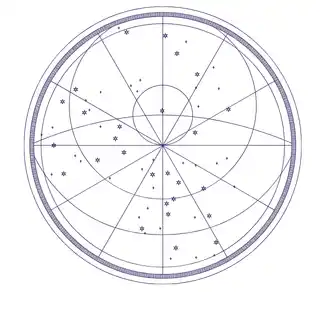
Many people first encounter astrology through Sun-sign horoscopes. While these can provide broad insights, they represent only one part of a much larger astrological framework. A birth chart includes the positions of the Sun, Moon, rising sign and all major planets at the exact moment of birth. When astrologers interpret these placements together, the chart reveals multiple layers of personality, motivations and life patterns.
This is one reason astrology sometimes feels so accurate during detailed chart readings. The rising sign determines the house structure of the chart, which shows where different life themes unfold. Planetary placements then describe how a person communicates, forms relationships, approaches ambition and responds emotionally to experiences.
Astrology can also feel particularly relevant when astrologers examine planetary transits, which track how current planetary movements interact with a person’s natal chart. These transits create periods where certain themes become more active. For example, a Saturn transit may correspond with responsibility and long-term decisions, while Jupiter transits often align with expansion, learning or opportunity.
Because of this timing component, many people associate astrology with astrology accurate prediction. In reality, astrology highlights periods when particular experiences or emotional developments are more likely to arise rather than predicting exact events.
When astrology is approached through full birth charts and planetary cycles, many individuals feel that astrology accurately explains many things about personal development and life transitions. The system becomes less about generic forecasts and more about recognizing patterns in personality and timing across different phases of life.

Is Astrology Science or Symbolic Language?
The debate about how is astrology accurate often leads to a larger question: is astrology a science, or is it better understood as a symbolic language for interpreting human experience?
Modern science generally defines accuracy through measurable and repeatable experiments. Astrology operates differently. Instead of testing physical cause-and-effect relationships, astrology studies correlations between planetary cycles and human life patterns. Because of this symbolic approach, astrology is usually described as a system of interpretation rather than a scientific discipline.
Yet many people still feel that astrology sometimes feels so accurate when reflecting on their personality, emotional patterns or life timing. One reason is that astrology organizes human experiences into archetypal themes. Each planet and zodiac sign represents symbolic qualities such as communication, ambition, emotion or transformation. When these symbols are mapped onto a birth chart, they create a narrative framework that can help people interpret their life journey.
Another reason astrology resonates with many individuals is its focus on cycles. Human life naturally unfolds through phases of growth, challenge and change. Astrological transits attempt to mirror these phases by tracking planetary movements across time. When astrologers interpret these cycles, people often feel that astrology accurately explains many things about the timing of certain life experiences.
Because of this, astrology is often best understood as a symbolic language for understanding patterns, rather than a system designed to produce rigid or deterministic outcomes. Even when people search for astrology accurate prediction, astrologers usually emphasize interpretation and timing rather than exact forecasts.
Viewed this way, astrology functions less as a strict predictive science and more as a reflective tool. It provides a symbolic map that helps individuals explore personality, relationships and life transitions through the lens of cosmic cycles.
FAQs
Is there any real truth to astrology?
Astrology is not considered a scientific system in the modern experimental sense. However, many people believe it offers symbolic insight into personality, emotional patterns and life cycles through the interpretation of planetary positions and birth charts.
Does astrology accurately explain things?
Many individuals feel astrology accurately explains things about personality, relationships and life timing because birth charts combine multiple planetary placements and houses. These patterns can reflect tendencies and themes that people recognize in their experiences.
Why is Gen Z obsessed with astrology?
Astrology has become popular among Gen Z because it offers a framework for self-reflection, identity exploration and emotional understanding. Social media has also made astrology content more accessible, helping younger audiences engage with zodiac and birth chart interpretations.
