
Gratitude is often treated as a feel-good habit, but research shows it plays a far more meaningful role in emotional wellbeing. The mental health benefits of gratitude are not about forcing positivity, they are about changing how the mind relates to emotional experience itself.
Psychological and neuroscience research suggests that intentional appreciation can soften emotional reactivity, reduce cycles of rumination, and support a more balanced internal state over time. Rather than suppressing difficult emotions, gratitude helps reorganize attention and perception in a way that allows emotional healing to unfold naturally.
In this article, we explore how gratitude supports emotional wellbeing, what science actually says about its effects on emotional patterns, and how meaningful gratitude practices can be integrated into daily life without bypassing reality or discomfort.
Table of Contents

Gratitude Helps Shift the Mind Away From Negative Rumination
One of the most overlooked mental health benefits of gratitude is how effectively it interrupts negative rumination. Rumination happens when the mind keeps replaying the same thoughts, conversations, or emotional moments, often in a loop that feels productive but drains emotional energy.
This is where how to practice gratitude becomes less about positivity and more about redirection.
Gratitude journaling works because it gently shifts attention without suppressing emotions. Instead of asking the mind to “stop thinking,” it gives it something constructive to hold onto. Writing down even one or two moments of appreciation creates a pause in repetitive thought cycles and opens space for emotional reframing.
What matters here is meaningful gratitude, not forced optimism. This isn’t about pretending everything is fine. It’s about noticing what exists alongside discomfort. A small example of gratitude could be as simple as recognizing a calm moment after a difficult conversation, or appreciating your own effort in showing up despite emotional fatigue.
Different gratitude methods work for different people. Some prefer journaling, others reflect mentally at night, while some express gratitude through conversations or voice notes. The common thread is consistency, not intensity.
Over time, this practice supports gratitude for wellbeing by training the mind to move away from automatic negative loops and toward balanced emotional awareness.
MORE FROM US
If self-reflection is feeding rumination, you may find this helpful: Why Self-Reflection Turns Into Rumination .

Gratitude Activates Positive Emotional Pathways in the Brain
Gratitude doesn’t force positivity. What it actually does is redirect attention. When practiced consistently, it nudges the mind toward emotional signals linked with reward, connection, and contentment instead of threat or lack. Psychologically speaking, this is how gratitude supports emotional balance without bypassing reality.
Studies in positive psychology show that when people reflect on what they appreciate, the mind becomes more attuned to moments of safety, support, and meaning. Over time, this strengthens emotional patterns associated with calm satisfaction rather than constant vigilance. This is why gratitude is often described as a foundation for gratitude for wellbeing, not because life suddenly improves, but because perception becomes steadier.
One important distinction here is meaningful gratitude. This isn’t about listing things you’re “supposed” to be thankful for. It’s about recognizing what genuinely helped you feel grounded that day. An example of gratitude might be as small as acknowledging a moment of emotional clarity, a supportive message, or the relief of getting through something difficult.
If you’re wondering how to practice gratitude without it turning into forced optimism, start with awareness rather than affirmation. Simple gratitude methods like mentally noting one stabilizing moment each evening can be enough. The goal isn’t intensity. It’s consistency.
Over time, this gentle practice helps the mind associate daily life with emotional safety and connection. That’s where gratitude reshapes emotional experience, not by changing who you are, but by reinforcing what already supports you.
Gratitude Strengthens Emotional Resilience Over Time
Emotional resilience isn’t about never feeling shaken. It’s about how quickly and gently you find your footing again. Gratitude supports this process by giving the mind a stable reference point during emotional dips, without denying what’s uncomfortable.
When gratitude becomes part of your inner dialogue, everyday setbacks don’t feel as destabilizing. You still feel disappointment, frustration, or fatigue, but they don’t linger as long or spiral as deeply. This is one of the benefits of gratitude for wellbeing, it trains emotional adaptability rather than emotional avoidance.
Over time, simple gratitude methods help the nervous system recognize that not every challenge is a threat. For example, noticing one thing that didn’t fall apart after a difficult day is a subtle but powerful example of gratitude. It reinforces the idea that difficulty and stability can coexist.
If you’re learning how to practice gratitude for emotional resilience, think in terms of continuity, not transformation. You’re not trying to “fix” emotions. You’re building the ability to move through them with less internal resistance.
That’s what makes gratitude effective over the long run. It doesn’t eliminate emotional lows, it shortens recovery time and strengthens trust in your ability to adapt.
Gratitude Improves Everyday Emotional Awareness and Clarity
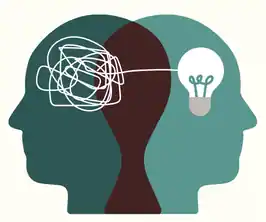
One of the benefits of gratitude is how it sharpens emotional awareness without forcing control. Instead of trying to regulate emotions through suppression or constant self-monitoring, gratitude gently trains attention. It helps you notice what’s already present, including subtle positives that often get lost in emotional noise.
When you practice gratitude consistently, you begin to recognize emotional patterns earlier. A feeling doesn’t have to escalate before you notice it. You catch irritation before it turns into frustration, or sadness before it hardens into withdrawal. This is where gratitude for wellbeing becomes practical, not abstract.
Gratitude methods work here because they slow emotional reactivity. Rather than reacting automatically to every internal or external trigger, the mind develops a pause. That pause creates clarity. You’re no longer overwhelmed by emotional spikes because you’ve built familiarity with your inner landscape.
A simple example of gratitude might look like this: noticing a brief moment of calm between tasks, appreciating a supportive message, or recognizing that today’s discomfort is lighter than yesterday’s. These moments may seem small, but they train emotional precision. Over time, this awareness reduces emotional exaggeration and helps experiences feel more proportionate.
If you’re learning how to practice gratitude for emotional clarity, the goal isn’t to label emotions as “good” or “bad.” It’s to observe them with context. Meaningful gratitude allows both appreciation and discomfort to coexist, which prevents emotional bypassing or forced positivity.
As this awareness deepens, emotional responses become less impulsive and more intentional. You still feel deeply, but you respond with understanding rather than reflex. That’s where clarity emerges not from controlling emotions, but from relating to them differently.

Gratitude Supports Calmer Responses to Daily Emotional Stress
Daily emotional stress rarely comes from big events. It comes from small frictions an unexpected message, a tense interaction, a moment of self-doubt, or the weight of unfinished thoughts. Gratitude doesn’t remove these moments. What it changes is how quickly they take over.
When gratitude becomes part of your awareness, emotional triggers don’t feel as sharp. There’s a subtle grounding that happens first. Instead of reacting immediately, the nervous system pauses long enough for perspective to enter. This is where gratitude for wellbeing shows its real value not in eliminating discomfort, but in softening the intensity of response.
Gratitude methods work best here when they’re simple and present-focused. For example, noticing one thing that feels steady during a stressful moment, your breath, a familiar routine, or even the fact that the discomfort is temporary. This kind of meaningful gratitude doesn’t deny stress. It keeps it contained.
Over time, this practice changes your emotional reflexes. You still feel irritation, anxiety, or heaviness, but those emotions move through instead of getting stuck. You become less reactive not because you’re “stronger,” but because you’re more emotionally oriented. You know what you’re feeling, and you trust that it will pass.
If you’re exploring how to practice gratitude during emotionally uncomfortable moments, think of it as emotional navigation rather than emotional control. Gratitude gives the mind something steady to hold onto while emotions rise and fall. That steadiness is what allows calm responses to emerge naturally.
An example of gratitude in stressful moments might be acknowledging that you handled a situation better than before, or recognizing a small moment of relief after tension. These micro-acknowledgements gradually retrain emotional responses, making grounded reactions feel more accessible over time.
MORE FROM US
If emotional healing feels uncomfortable or unsettling at times, this perspective may help: Why Does Healing Feel Uncomfortable?
Even Small Acts of Gratitude Can Create Immediate Emotional Relief
Gratitude doesn’t always need consistency, journaling streaks, or long routines to be effective. Even small, one-time acts can create noticeable emotional relief in the moment. This is one of the most overlooked benefits of gratitude, its ability to interrupt emotional heaviness right when it’s happening.
Research consistently shows that brief gratitude exercises can lift emotional tone almost immediately. Not because they “fix” anything, but because they gently shift attention away from internal pressure. When the mind pauses its usual scanning for problems, the emotional system gets a moment to settle.
This is especially useful during emotionally dense days when long practices feel unrealistic. A short gratitude pause can act like an emotional reset, subtle, but real.
Here are a few simple gratitude methods readers can try today:
1. The single-line acknowledgment
Silently name one thing that didn’t go wrong today. Not something dramatic. Something neutral but steady a meal, a quiet moment, a task completed. This example of gratitude works because it redirects attention without forcing positivity.
2. The body-based pause
Place one hand on your chest or stomach and acknowledge one thing your body carried you through today. This creates grounding and supports gratitude for wellbeing at a sensory level.
3. The contrast check
Notice something small that feels easier than it once did. Emotional relief often comes from recognizing progress, not perfection. This keeps gratitude meaningful rather than performative.
4. The relational micro-thank you
Mentally thank someone — even briefly — for something specific. No message required. This taps into bonding and emotional softening without social pressure.
These practices work because they meet the nervous system where it already is. They don’t demand emotional transformation. They offer emotional space.
If you’re learning how to practice gratitude in a way that feels supportive rather than forced, start here. Small acts lower resistance. And when resistance drops, relief follows naturally.
Over time, these brief moments accumulate. Emotional stress doesn’t disappear, but it becomes easier to move through. Gratitude becomes less of an exercise and more of an internal reflex, a way of returning to balance when things feel heavy.

Gratitude Builds Long-Term Emotional Wellbeing and Self-Compassion
Over time, gratitude stops being something you do and becomes something you carry. Not as constant positivity, but as a relationship with your own emotional life. This is where gratitude begins to support long-term emotional wellbeing, not by eliminating discomfort, but by changing how you meet it.
Consistent gratitude gently reshapes self-perception. Instead of viewing emotions as problems to solve, there’s more space to observe them without judgment. People who develop meaningful gratitude often describe feeling less internally harsh, more emotionally patient, and more willing to extend compassion toward themselves during difficult moments.
This shift matters. Emotional harmony isn’t about feeling good all the time. It’s about feeling steady, less reactive, less self-critical, and more accepting of emotional complexity. Gratitude for wellbeing supports this balance by keeping attention anchored in what is supportive, rather than what feels lacking.
What makes gratitude sustainable is its flexibility. It doesn’t demand a specific mood or mindset. It adapts. On easier days, it reinforces contentment. On heavier days, it offers softness instead of pressure. Over time, this consistency builds emotional trust with yourself.
As a long-term habit, gratitude encourages self-compassion in subtle ways:
- You become more forgiving of emotional setbacks
- You notice growth without needing milestones
- You learn to acknowledge effort, not just outcomes
This is why gratitude works best when it’s not treated as a fix, but as a relationship. A relationship with your emotional patterns, your inner dialogue, and your capacity to hold life as it unfolds.
If you’re interested in exploring how emotional awareness shapes attraction, manifestation, or inner alignment, this foundation matters. Gratitude doesn’t replace deeper work, it prepares you for it. It creates the emotional stability that allows reflection, intention, and self-understanding to land more gently. For more detailed academic studies on gratitude head to National Institutes of Health.
FAQs
Why is gratitude the healthiest emotion?
Gratitude is often described as one of the healthiest emotions because it doesn’t require denying difficult feelings. Instead, it encourages balance. It allows people to acknowledge discomfort while also recognizing moments of support, meaning, or stability. Rather than forcing optimism, gratitude supports emotional flexibility, the ability to move between emotions without becoming stuck in overwhelm or avoidance. This makes it especially valuable for long-term emotional wellbeing and self-understanding.
What are 5 benefits of practicing gratitude?
Practicing gratitude consistently can support emotional wellbeing in simple but meaningful ways. Five commonly observed benefits include:
1. Greater emotional awareness and clarity
2. Reduced tendency toward negative rumination
3. Improved ability to regulate emotional reactions
4. Increased emotional resilience during everyday challenges
5. A stronger sense of contentment and self-compassion
These benefits develop gradually and are most noticeable when gratitude is practiced as a habit rather than a one-time exercise.

2 thoughts on “Mental Health Benefits of Gratitude: 7 Powerful Ways It Supports Emotional Healing”