
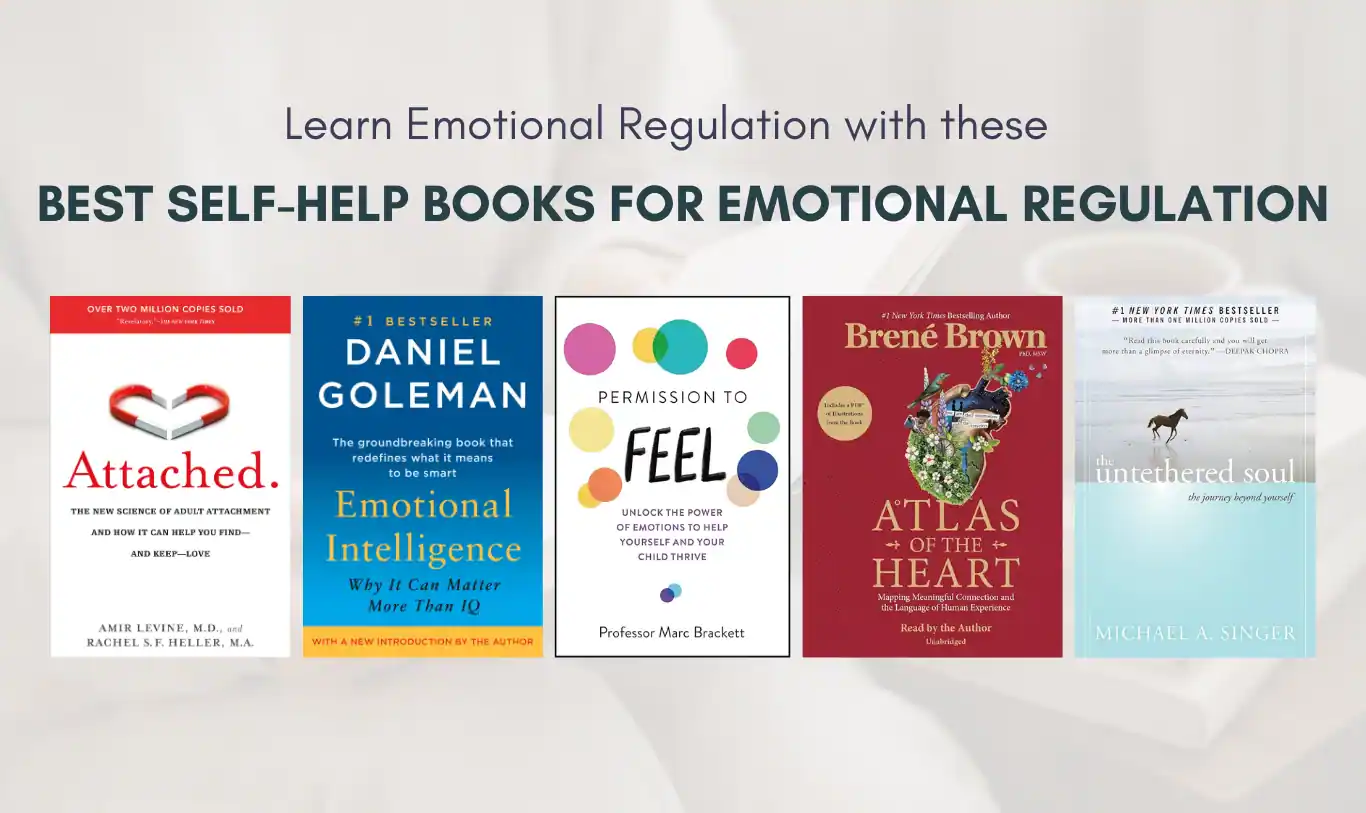
Emotions shape how we think, decide, and relate to others, often more than we realise. When emotions feel overwhelming or poorly understood, they can quietly affect work, relationships, and self-confidence. This is why learning emotional regulation is not about suppressing feelings, but about understanding them and responding with awareness.
The best books for emotional regulation don’t offer quick fixes or emotional shortcuts. Instead, they help readers build vocabulary for emotions, recognise patterns, and develop steadier ways of handling internal reactions. Over time, this kind of understanding supports emotional balance and healthier relationships.
If you’re looking for self help books for emotions that focus on insight rather than instruction, and that encourage emotional growth without sounding clinical or preachy, the books in this list are a strong place to start. Each one approaches emotions from a slightly different angle, helping you understand not just what you feel, but why you feel it.
Table of Contents
What Emotional Regulation Really Means
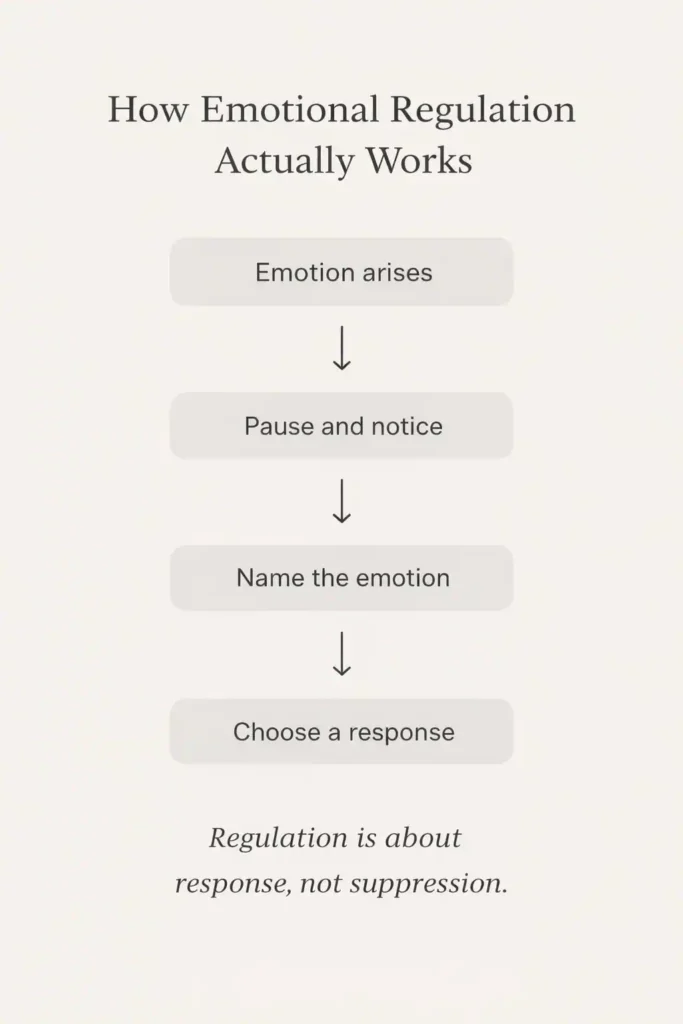
Emotional regulation is often misunderstood as controlling emotions or staying calm at all times. In reality, emotional regulation is about understanding emotions, responding thoughtfully, and recovering balance after emotional reactions. It does not mean suppressing feelings or pretending everything is fine.
Research from the American Psychological Association explains emotional regulation as the ability to understand and manage emotional responses in ways that support mental well-being and decision-making over time.
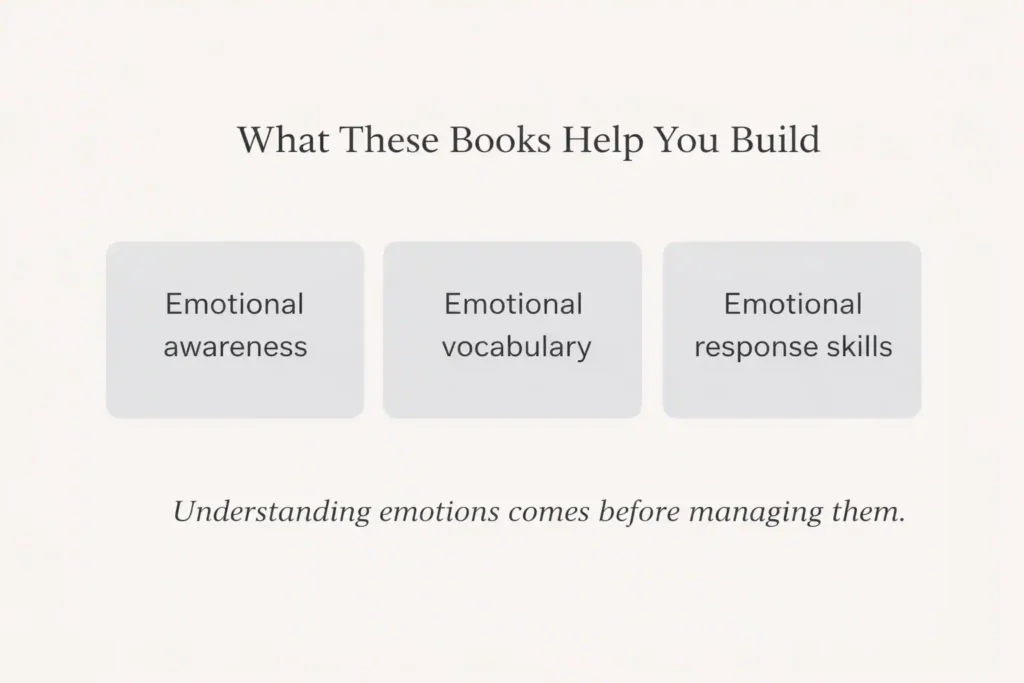
At its core, emotional regulation involves noticing what you feel, recognising why you feel that way, and choosing how to respond instead of reacting automatically. This ability develops gradually through awareness, reflection, and practice. That is why many people turn to the best books for emotional regulation to build this skill over time, rather than relying on quick advice.
Emotions themselves are not the problem. Difficulty arises when emotions take over decision-making or remain unexamined. Learning emotional regulation helps create a pause between feeling and action. This pause allows space for clarity, perspective, and better choices, which supports long-term emotional growth.
Well-written self help books for emotions focus on this exact process. They help readers name emotions accurately, understand emotional patterns, and relate to feelings with curiosity instead of judgment. Over time, this approach strengthens emotional stability without denying emotional depth.
Emotional regulation is not about becoming emotionally neutral. It is about developing a healthier relationship with emotions so they inform your life without overwhelming it.
5 Best Books for Emotional Regulation
The best books for emotional regulation do not teach emotional control in the sense of restraint or suppression. They help readers understand how emotions arise, why certain emotional patterns repeat, and how awareness changes the way emotions are experienced. The books below approach emotions from different angles, psychology, relationships, and inner observation, making them valuable for sustained emotional growth rather than momentary relief..
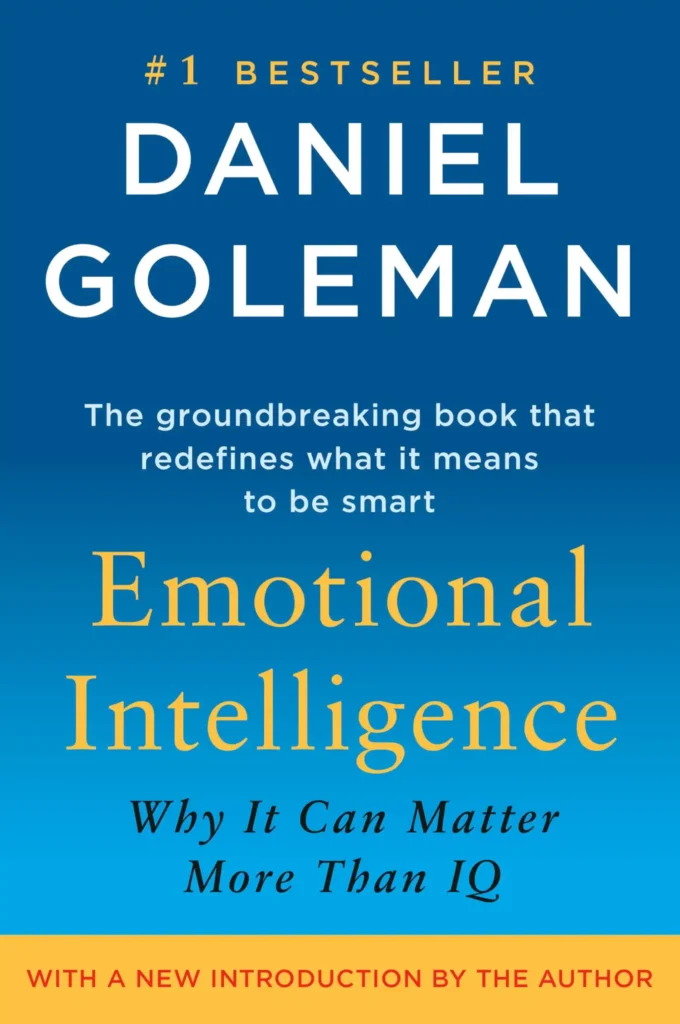
1. Emotional Intelligence — Daniel Goleman
What it helps with:
This book reframes emotions as essential data rather than obstacles. It explains how emotional awareness affects attention, decision-making, impulse control, and interpersonal dynamics. Instead of focusing on “managing emotions,” it shows how recognising emotional cues early prevents emotional escalation later.
Who it’s for:
Readers who want a foundational understanding of emotions backed by research. Especially helpful if you tend to underestimate how much emotions influence your choices or believe logic alone should guide behaviour.
One grounded takeaway:
Emotional regulation improves not by eliminating emotions, but by noticing them early enough to respond consciously.
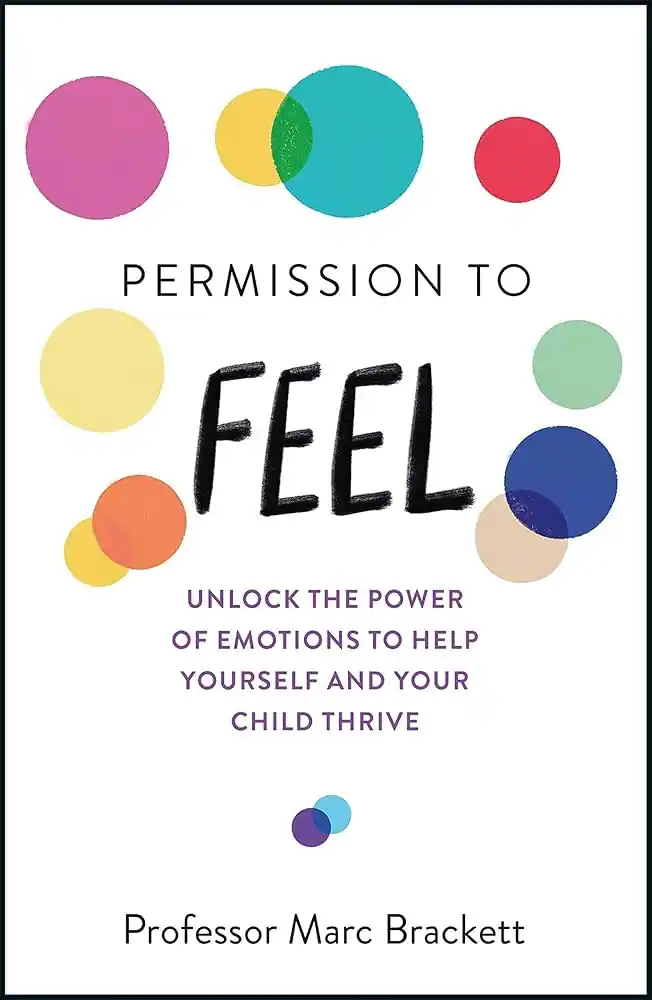
2. Permission to Feel — Marc Brackett
What it helps with:
This book focuses on emotional literacy, the ability to identify, understand, and work with emotions instead of avoiding them. It explains why emotional suppression often leads to burnout, anxiety, or sudden emotional outbursts, and why naming emotions reduces their intensity.
Who it’s for:
People who feel emotionally overwhelmed, emotionally numb, or unsure how to express what they feel. Among self help books for emotions, this one is particularly practical and accessible.
One grounded takeaway:
When emotions are acknowledged rather than resisted, emotional regulation becomes a skill instead of a struggle.
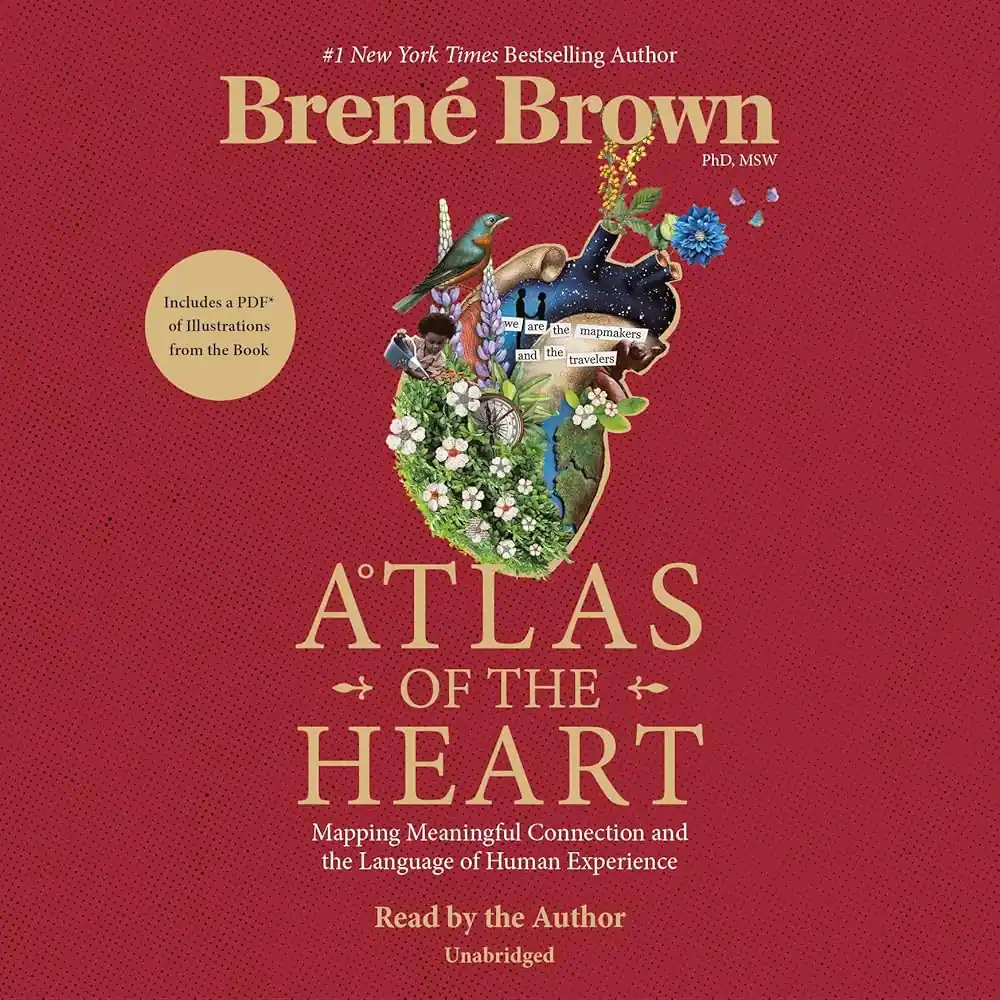
3. Atlas of the Heart — Brené Brown
What it helps with:
This book expands emotional vocabulary by mapping distinct emotional experiences. It highlights how confusion between similar emotions like guilt and shame, or stress and overwhelm, makes emotional regulation harder. Clarity allows for more precise emotional responses.
Who it’s for:
Readers who experience emotions intensely but struggle to articulate them, especially in relationships. Ideal for those seeking books for emotional growth that improve communication and self-understanding.
One grounded takeaway:
Clear emotional language creates emotional stability. You regulate emotions better when you understand what you’re actually feeling.
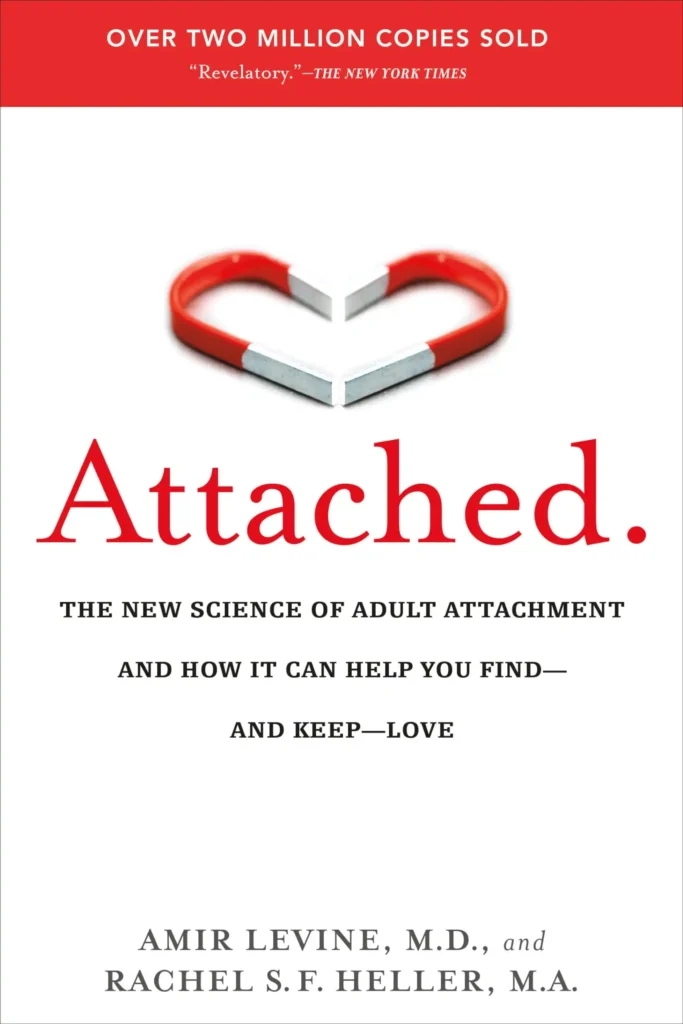
4. Attached — Amir Levine & Rachel Heller
What it helps with:
This book explains how attachment styles shape emotional reactions in close relationships. It reframes emotional responses such as anxiety, withdrawal, or conflict as learned patterns rather than personal failures.
Who it’s for:
Anyone who notices recurring emotional dynamics in relationships and wants to understand why certain situations trigger strong reactions. Especially useful for emotional regulation in romantic and close personal connections.
One grounded takeaway:
Emotional regulation improves when you understand relational patterns instead of blaming emotions or yourself.
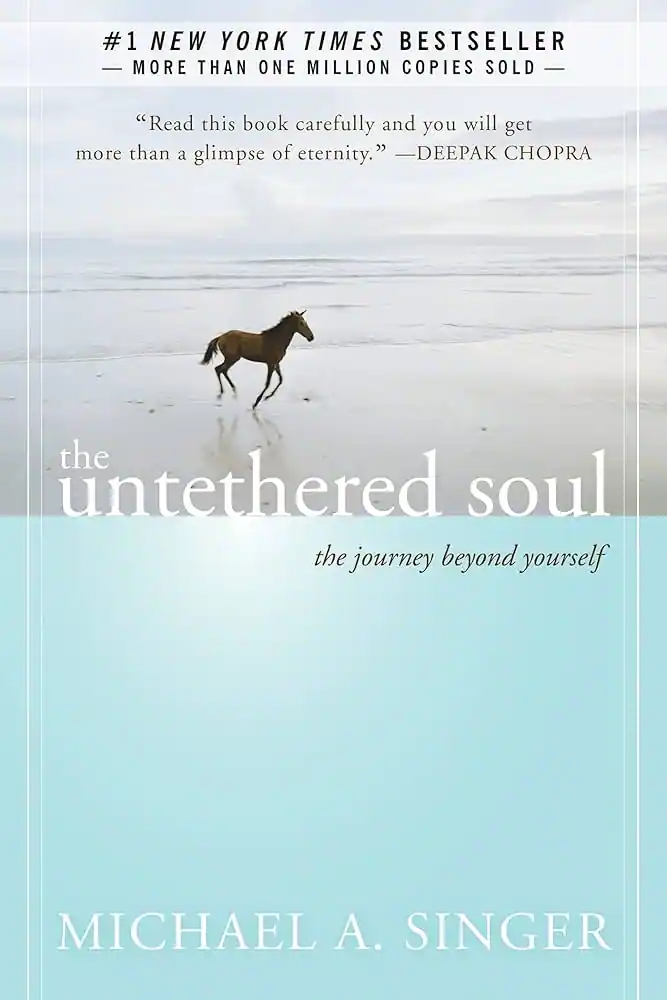
5. The Untethered Soul — Michael A. Singer
What it helps with:
This book introduces a reflective approach to emotional regulation by separating awareness from emotional experience. It encourages observing emotions as passing internal events rather than fixed truths.
Who it’s for:
Readers interested in inner awareness and observation as tools for emotional growth, without clinical frameworks or heavy instruction.
One grounded takeaway:
You don’t need to control emotions to regulate them. Awareness creates space, and space reduces emotional reactivity.
Together, these best books for emotional regulation help readers move from emotional reaction to emotional awareness. Rather than promising emotional mastery, they encourage patience, clarity, and a healthier relationship with emotions over time.
Curious how emotions and relationships may unfold for you next year?
How to Read These Books Without Emotional Overload
Reading self help books for emotions can feel intense, especially when the material mirrors your own experiences. Emotional regulation grows best when reading is slow, reflective, and contained, not rushed or overwhelming.
First, read with intention, not urgency. You don’t need to absorb everything at once. These books are meant to be engaged with over time. Reading a few pages and pausing to reflect is often more useful than finishing chapters quickly.
Second, notice emotional reactions instead of analysing them immediately. If a passage triggers discomfort, defensiveness, or recognition, that response itself is information. Emotional regulation improves when you observe reactions without judging or fixing them right away. This is one of the quiet ways books for emotional growth actually work.
Third, avoid reading multiple emotionally heavy books at the same time. Stacking similar material can blur insights and increase emotional fatigue. Choose one book, stay with it, and let the ideas settle before moving on to the next.
Finally, connect reading to daily life in small ways. One insight applied gently is more effective than many insights left unexamined. The best books for emotional regulation are not meant to change you overnight. They support steady awareness, helping emotions feel more understandable and manageable over time.
Read these books as companions, not instructions. Emotional clarity grows when learning feels supportive rather than demanding.
Emotional Regulation Is a Skill, Not a Personality Trait
Many people believe emotional regulation is something you either have or don’t. Some people are described as “naturally calm,” while others are labelled as overly emotional. In reality, emotional regulation is not a fixed personality trait. It is a skill that develops with awareness, experience, and reflection over time.
Emotional regulation refers to how we understand emotions, respond to them, and regain balance after emotional reactions. It does not mean staying calm all the time or avoiding emotional experiences. Instead, it involves recognising emotional signals early and responding in ways that don’t create additional stress or confusion. This is why the best books for emotional regulation focus less on control and more on understanding.
One reason emotions feel overwhelming is that many people were never taught how to work with them. Emotional responses are often treated as problems to fix rather than signals to interpret. Over time, this leads to emotional avoidance or emotional overload. Reading self help books for emotions helps bridge this gap by offering language, perspective, and structure around emotional experiences.
Another important distinction is between emotional regulation and emotional suppression. Suppression involves ignoring emotions, pushing them away, or judging them as inconvenient. Regulation, on the other hand, allows emotions to exist without letting them dominate behaviour. The best books for emotional regulation consistently highlight this difference, showing that suppressed emotions often return with greater intensity.
Emotional regulation also improves when patterns are understood. Many emotional reactions repeat in similar situations, at work, in relationships, or during stress. Recognising these patterns reduces confusion and self-blame. This is where books for emotional growth become especially useful. They help readers see emotions as part of a larger internal system rather than isolated reactions.
It’s also important to recognise that emotional regulation changes across contexts. The way emotions show up in professional environments is different from how they appear in close relationships. This is why reading across different perspectives matters. Some self help books for emotions focus on inner awareness, while others explore relational dynamics. Together, they support more balanced emotional responses.
The best books for emotional regulation do not promise emotional mastery or constant calm. Instead, they encourage patience and curiosity. Emotional growth happens gradually as awareness increases. Over time, emotions feel less overwhelming because they are no longer unfamiliar or misunderstood.
Seen this way, emotional regulation becomes a lifelong skill rather than a personal flaw. With consistent reflection and the right books for emotional growth, emotions stop feeling like obstacles and start functioning as information that guides healthier choices.
FAQs
What is the best book on emotional regulation?
There isn’t one single best book for everyone, but Emotional Intelligence by Daniel Goleman and Permission to Feel by Marc Brackett are widely recommended for building emotional regulation through awareness and understanding.
What are the 4 R’s of emotional regulation?
The 4 R’s generally refer to Recognise, Reflect, Respond, and Recover. Together, they describe noticing emotions, understanding them, choosing a response, and returning to emotional balance.
What is the 90-second rule for emotions?
The 90-second rule suggests that the body’s initial emotional reaction lasts about 90 seconds. If the feeling continues longer, it is often being sustained by repeated thoughts rather than the original trigger.

2 thoughts on “5 Best Books for Emotional Regulation and Emotional Growth”